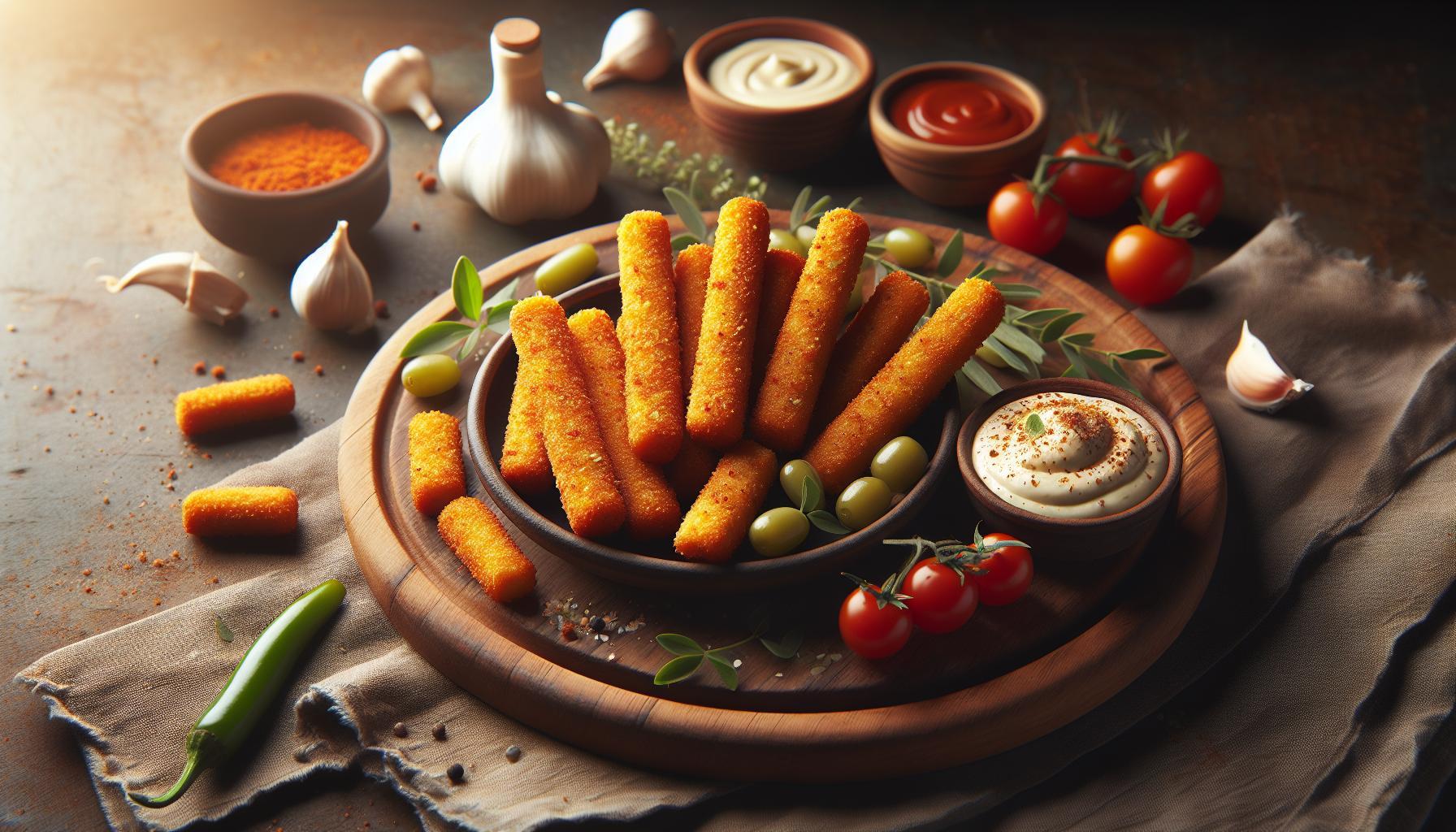
Crack Sticks Recipe: Addictively Delicious Appetizers No One Can Resist
Crack sticks are the ultimate crowd-pleaser, crispy on the outside and bursting with flavor inside. This simple …
Recipes represent structured culinary formulas and calibrated cooking blueprints designed to transform everyday pantry ingredients into consistent, flavorful, and deeply satisfying home-cooked meals across every dining course.
Tender outdoor hunter beef stew loaded with rich root vegetables and deeply reduced aromatic broth.
Creamy, savory chicken and rice casserole baked golden brown with sharp cheeses and tender broccoli florets.
Spicy Italian sausage simmered with red potatoes and hearty Tuscan kale in a light, nourishing garlic broth.
Every successful recipe functions as a calibrated sequence of temperature management, moisture control, and chemical transformation. Cooking begins with aromatics—sweating alliums and herbs in healthy fats to release fat-soluble volatile compounds without scorching. As heat penetrates proteins and starches, the Maillard reaction creates complex umami depth, while simmering allows moisture to tenderize connective collagen into luxurious natural gelatin.
Achieving balanced flavor requires intentional seasoning throughout the cooking lifecycle rather than simply salting at the table. Incorporating balancing acid (citrus juice, vinegar, or wine) cuts through rich animal fats, while fresh herbs added at the finish preserve delicate aromatic terpenes. Understanding these core principles ensures reproducible success across any recipe format.
| Culinary Method / Stage | Biochemical Mechanism & Heat Control | Target Texture & Flavor Outcome |
|---|---|---|
| Aromatic Foundation | Sweating alliums and mirepoix gently at 250–300°F | Translucent sweetness without bitterness |
| Surface Searing | High-heat dry contact at 375–450°F triggering Maillard reaction | Crisp golden-brown crust with concentrated umami |
| Gentle Braising | Sub-boiling liquid convection at 180–200°F over extended duration | Meltingly tender collagen breakdown without protein drying |
| Acid Balancing | Late addition of fermented vinegar, citrus, or wine reductions | Clean palate lift cutting through heavy lipids |
Avoid high, prolonged heat on lean cuts. Utilize quick searing followed by gentle resting, or employ a brief salt brine before cooking to enhance moisture retention within muscle fibers.
Dilute the concentration by introducing unsalted liquid (water, unsalted stock, or heavy cream), adding bulk starches like diced potatoes, or balancing the palate perception with a squeeze of fresh lemon juice or acid.
Resting allows muscle fibers contracted by oven heat to relax, allowing juices migrating toward the core to redistribute evenly throughout the entire cut.