

Crisp adn delicate, each bite of these vibrant rolls bursts with the fresh flavors of crunchy vegetables, succulent shrimp, and fragrant herbs, all encased in a tender rice paper wrapper. Perfect for a quick, healthy meal the whole family will love, this recipe requires minimal time and ingredients, making it an authentic delight. Let’s dive into the art of crafting these delectable wrappers!
Key Ingredients for Your Homemade Rice Paper Wrappers
Main Ingredients
Creating the perfect rice paper wrappers starts with high-quality ingredients. Here’s what you need too master homemade wrappers that are delicate, yet pliable, delivering a satisfyingly chewy texture that pairs perfectly with your favorite fillings.
- Rice flour – 1 cup: This is the backbone of your wrappers, giving them that signature texture. If unavailable, use glutinous rice flour for added chewiness.
- Tapioca starch – 1/2 cup: Adding tapioca starch enhances versatility and helps achieve a lovely gloss. Arrowroot powder can serve as a substitute if needed.
- Water – 1 1/2 cups: The hydration element is crucial for mixing your flour and starch into a smooth batter. Consider using warm water for easier blending.
- Salt – 1/2 teaspoon: A touch of salt elevates the flavor of the wrappers, enhancing the overall taste profile.
- Vegetable or coconut oil – 1 tablespoon: Oil adds moisture to the dough, ensuring your wrappers remain soft. Unsalted butter can be used for a richer flavor.
Preparation
To create your own rice paper wrappers, follow these simple steps to ensure each one is a success:
- Mix the dry ingredients: In a large mixing bowl, combine 1 cup of rice flour, 1/2 cup of tapioca starch, and 1/2 teaspoon of salt. Stir until blended well.
- Add water: Gradually pour in 1 1/2 cups of water while whisking continuously to avoid lumps. Aim for a smooth, pourable batter.
- Incorporate oil: Whisk in 1 tablespoon of vegetable or coconut oil until evenly distributed throughout the batter.
- Let it rest: Allow the batter to sit for 30 minutes at room temperature. This step helps the starches hydrate fully for better texture.
- Cook the wrappers: Heat a non-stick skillet over medium heat. Lightly grease it,then pour in a small amount of batter (about 1/4 cup),swirling it to cover the surface evenly. Cook for 2-3 minutes until the edges lift and the wrapper is translucent.
Equipment
To achieve the best results, you’ll need the following equipment:
- Large mixing bowl: Essential for combining your ingredients without spilling.
- Whisk: A must-have for creating a lump-free batter.
- Non-stick skillet: This prevents the wrappers from sticking,ensuring easy release and a smooth surface.
- Spatula: Use a thin spatula to gently lift and transfer the delicate wrappers once cooked.
- Measuring cups and spoons: precision in measurements is key to achieving the right consistency.
Serving and Storage
These homemade rice paper wrappers are best enjoyed fresh, filled with your favorite ingredients like shrimp, veggies, or herbs. Roll them up tightly and serve with a zesty dipping sauce for a delightful experience.
For storage, keep uncooked wrappers in an airtight container, separated by parchment paper, for up to 3 days in the refrigerator. If you need to freeze them, layer with parchment and seal in a zip-top bag; they can last up to a month. When ready to use, thaw them in the fridge overnight or at room temperature.
Variations
Get creative with your wrappers by trying these variations:
- herbed wrappers: Blend in finely chopped herbs like cilantro or basil for added flavor.
- Spicy wrappers: Incorporate a pinch of cayenne or chili powder into the batter for a kick.
- Colorful wrappers: Mix in vegetable purees (like beet or spinach) to infuse color and nutrients.
- Sesame-flavored wrappers: Add a tablespoon of toasted sesame oil into the batter for a nutty aroma.
Using these ingredients and techniques, your homemade rice paper wrappers will be a hit, delivering a satisfying bite that pairs beautifully with any filling you desire. Enjoy this culinary adventure!
Essential Kitchen Tools for Crafting Perfect spring Roll Wrappers
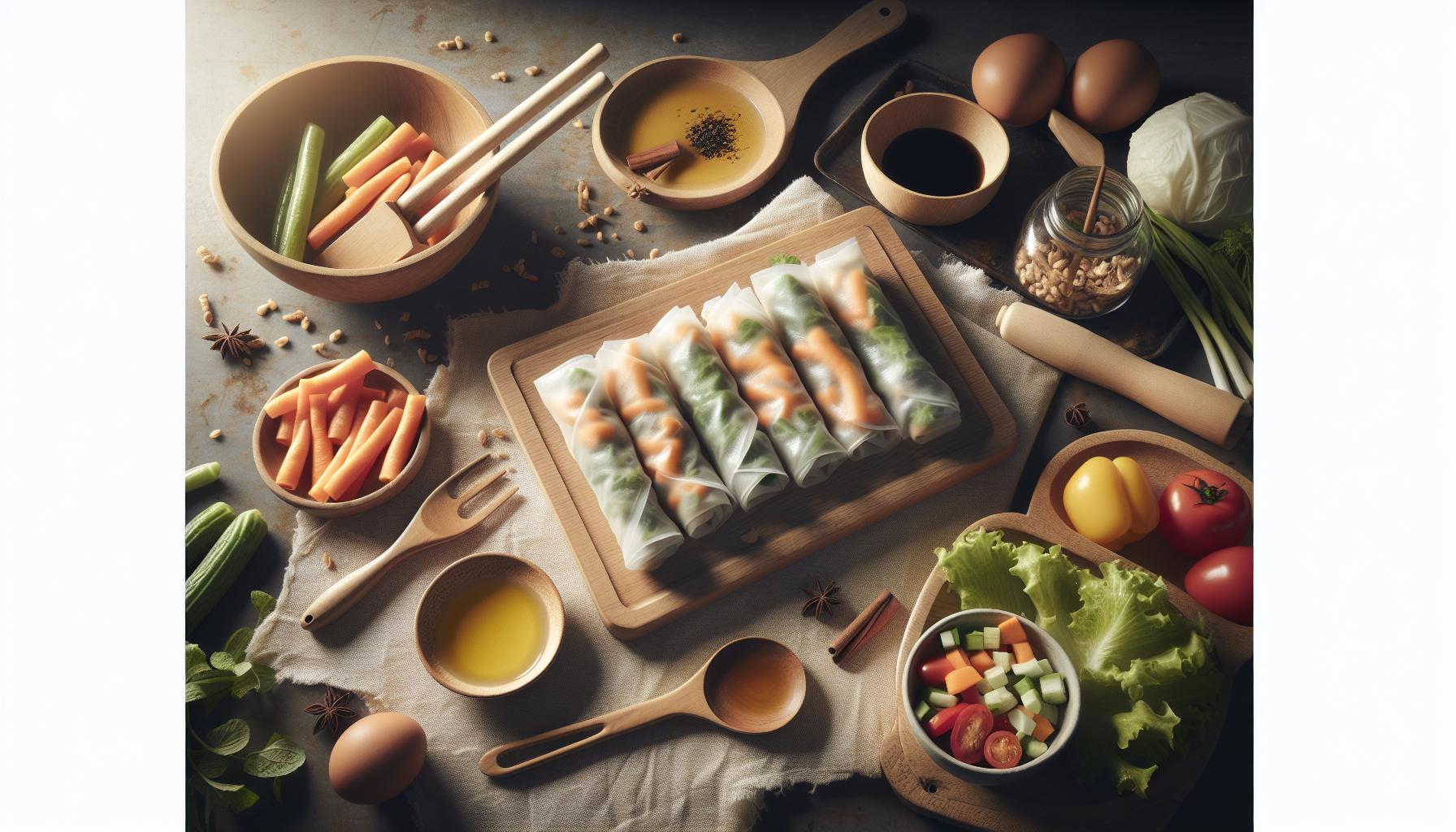
To master the art of homemade spring roll wrappers, having the right kitchen tools is essential. These items not only streamline the rolling process but also ensure that your wrappers are light, tender, and bursting with flavor. Each tool has a specific role,making your culinary experience smoother and more enjoyable.Whether you are creating crispy appetizers or refreshing accompaniments, these essentials will elevate your spring roll game.
Equipment list
- Rice Paper Sheets: The star of the show, these translucent discs are crucial for wrapping your fillings. Look for high-quality rice paper to ensure they are pliable and easy to work with.
- Warm Water Bowl: A shallow bowl filled with warm water is necessary for softening the rice paper.the gentle heat allows the sheets to become pliable without tearing.
- Clean Surface: A non-stick surface or a damp towel helps prevent the wrappers from sticking as you assemble your rolls.
- Spring Roll Maker: Devices like the Vegetable Meat rolling Tool can help maintain even pressure while rolling, ensuring uniform wraps every time. It also saves time when preparing multiple rolls at once [1[1].
- Sharp Knife or Pizza Cutter: For cutting your rice paper into perfect circles or squares, a sharp knife will give you clean edges, essential for a neat presentation.
Main Ingredients
to create irresistible spring roll wrappers, consider the following ingredient list:
- rice paper sheets – typically sold in packs, look for a diameter of 8.5 or 10 inches for standard rolls.
- Warm water – for soaking; use a shallow bowl for easy access.
- Optional flavorings – such as rice vinegar or soy sauce, which can be added to the soaking water for a subtle taste boost.
Preparation Steps
- Gather all ingredients: Have everything at hand to make the wrapping process efficient.
- Prepare warm water: Heat water until it’s warm but not boiling, and fill a shallow bowl.
- Soak the rice paper: Submerge one rice paper sheet in the warm water for about 10-15 seconds or until softened.
- Lay the wrapper flat: Place the softened wrapper on a clean,non-stick surface.
- Add your filling: Place your chosen fillings in the centre; don’t overload to avoid bursting.
- Fold and roll: Fold the sides of the wrapper over the filling, then gently roll from the bottom to the top, ensuring a snug fit.
- Serve immediately: Enjoy your freshly made spring rolls straight away for the best texture and taste.
Serving and Storage Tips
Freshly made spring rolls are at their best when served immediately, as they maintain their delightful texture and flavor. If you need to store them, wrap each roll in a damp paper towel and place them in an airtight container in the refrigerator. They can be kept for up to 2 days, but be aware that they may lose some crispness. Reheating is not recommended, as the rice paper can become gummy.
Variations to Try
To keep your spring rolls exciting, here are a few tasty variations:
- Vegetable Spring Rolls: Fill with a variety of fresh vegetables like carrots, cucumbers, and bell peppers for a vibrant, healthy option.
- Shrimp or Fish: Add poached shrimp or cooked fish for a protein-packed option.
- Tofu & herbs: Use marinated tofu with fresh herbs like mint and cilantro for a flavorful vegetarian roll.
- Fruit Spring Rolls: For a sweet twist, substitute fillings with fresh fruits like mango, strawberries, or a mix of tropical fruits.
- Thai-inspired: Include ingredients like vermicelli noodles and spicy herbs for a flavorful Thai spring roll.
With these essential tools and tips, you are well on your way to crafting perfect spring roll wrappers that will impress your guests with their taste and texture. Embrace the adventure of rolling,and let your creativity shine through!
A simple Preparation Method to get You Started
###
Creating fresh rice paper rolls at home is a delightful culinary adventure that invites creativity and satisfaction. Imagine biting into a delicate, translucent wrapper filled with vibrant, crunchy vegetables, aromatic herbs, and a savory protein of your choice. The beauty of homemade rice paper lies not only in its flavor but also in the unparalleled freshness that comes from creating the wrapper yourself. with just a few simple ingredients and a bit of technique, you’ll master the art of rice paper making in no time.
#### Main Ingredients
To create your own rice paper wrappers, you will need the following ingredients:
- 1 cup of rice flour (can substitute with glutinous rice flour for a chewier texture)
- 1/4 cup of tapioca starch (alternative: cornstarch for a different flavor profile)
- 1 cup of water
- 1/2 teaspoon of salt (optional, enhances flavor)
#### Equipment Needed
Having the right tools on hand will make the process smoother and more enjoyable:
- Mixing bowl: Essential for combining your ingredients smoothly and ensuring a lump-free batter.
- Non-stick frying pan: A must for cooking the rice paper evenly without sticking.
- spatula: Ideal for gently lifting the rice paper off the pan once it’s cooked.
- Steamer basket: Useful for keeping the cooked wrappers warm and hydrated if you’re preparing multiple batches.
- Cooling rack: Helps to cool the wrappers while preventing them from becoming soggy.
#### Preparation Steps
Follow these easy steps to create your homemade rice paper wrappers:
- Mix the batter: In a mixing bowl, combine the rice flour, tapioca starch, salt, and water. Whisk until smooth and there are no lumps.
- Heat the pan: Preheat your non-stick frying pan over medium heat, ensuring it’s hot but not smoking.
- Cook the wrappers: Pour a ladleful of the batter onto the pan, swirling it to form a thin layer. Cook for about 1-2 minutes until the edges start to lift and the surface becomes slightly translucent.
- Flip and complete cooking: Carefully slide a spatula under the wrapper and flip it to cook for an additional 30 seconds. Remove from the pan and place on a cooling rack.
- Repeat: Continue the process until all the batter is used, stacking the wrappers with a damp cloth between them to keep them moist.
#### Serving and Storage Tips
Once you’ve mastered your rice paper wrappers, use them immediately to create refreshing rolls filled with your favorite ingredients. These wrappers are best enjoyed fresh; though, if you find yourself with leftovers, store them in an airtight container lined with damp paper towels for up to 2-3 days in the refrigerator. To refresh the wrappers before use,briefly soak them in warm water.
#### Variations to Try
Get creative and customize your rice paper wrappers with these variations:
- Herbed Rice Paper: Add finely chopped fresh herbs like basil or cilantro to the batter for extra flavor.
- Colorful Flair: Use beet juice or spinach puree to tint the batter for an eye-catching appearance.
- Rice Paper with Texture: Mix in some sesame seeds or crushed nuts into the batter for added crunch.
- Flavored Wrappers: Incorporate spices such as garlic powder or chili flakes for a hint of zest.
Now that you have all the essential steps and tips, it’s time to roll up your sleeves and dive into the wonderful world of homemade rice paper wrappers! The delightful textural interplay and freshness of your creations will be worth every moment spent preparing them. Enjoy the process and savor every bite!
Step-by-Step Cooking Instructions for Flawless Rice Paper Wrappers
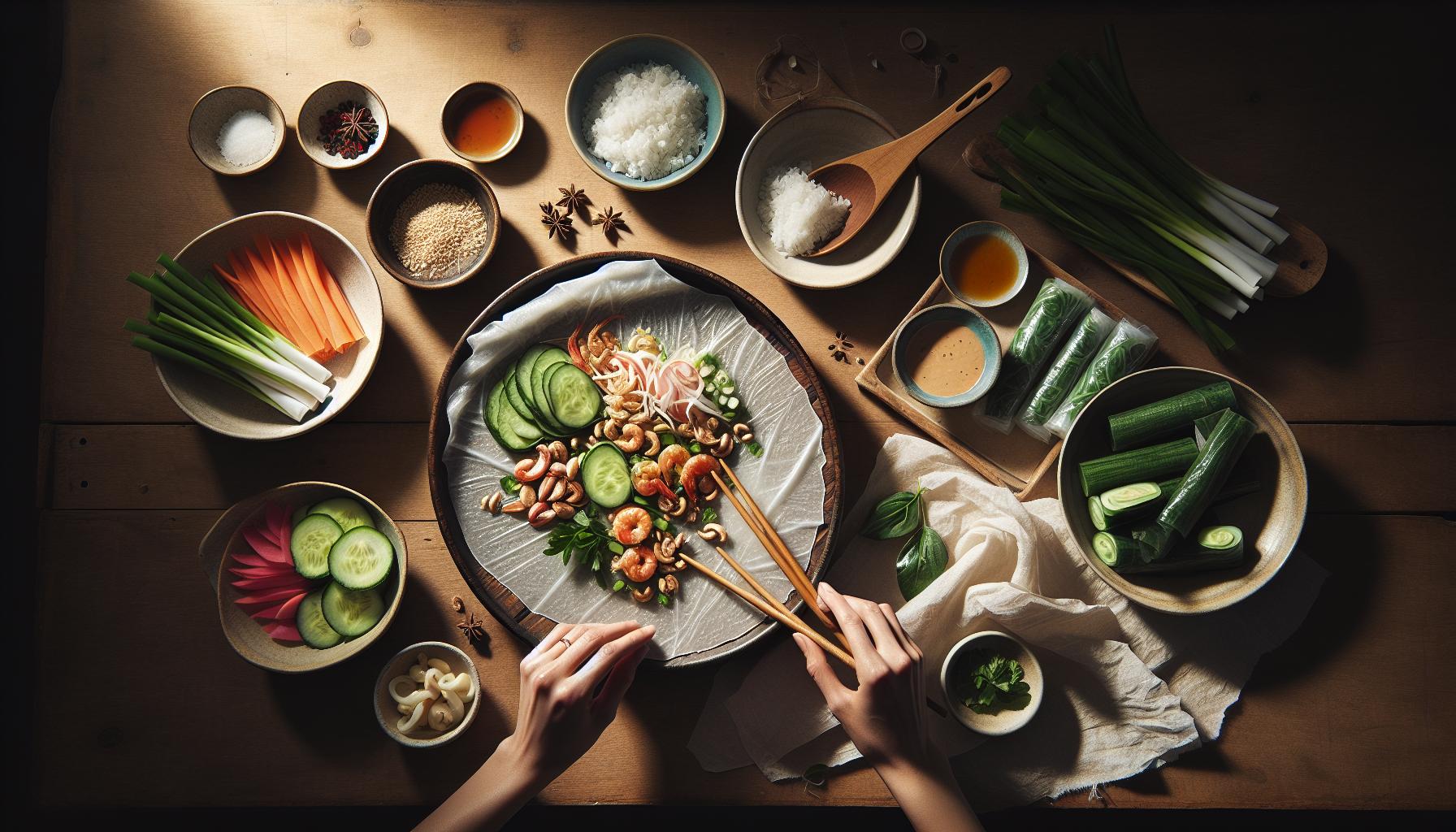
Making your own rice paper wrappers can elevate your spring rolls to restaurant-quality delights.The process reveals the ultimate in finesse, resulting in delightfully chewy and translucent wrappers that perfectly cradle your favorite fillings. Follow these precise steps to achieve flawless results every time.
Main Ingredients
- 1 cup rice flour – This is the base for your wrappers, lending the perfect texture. Substitute with glutinous rice flour for a chewier texture.
- 1/2 cup water – Essential for hydrating the rice flour. You can use vegetable broth for added flavor.
- 1 tablespoon tapioca starch – Helps improve elasticity. Substitute with potato starch if needed.
Equipment
- Mixing Bowl: A medium-sized bowl is ideal for combining ingredients smoothly without lumps.
- Non-stick Skillet: Crucial for cooking the wrappers without sticking, ensuring they retain their delicate texture.
- Lid or Plate: This will be used to cover the skillet, trapping steam and helping to cook the wrappers evenly.
Preparation Steps
- mix the Ingredients: In a mixing bowl, combine rice flour, tapioca starch, and water. Stir until the mixture is smooth and free of lumps.
- Heat the Skillet: Place your non-stick skillet over medium heat and allow it to warm up for about 2 minutes.
- Cook the Wrappers: pour a thin layer of the batter into the skillet, swirling it to cover the bottom evenly. Cook for about 1-2 minutes,or until the surface appears set but still slightly sticky.
- Steam the Wrapper: immediately cover the skillet with a lid or plate and let it steam for another 1-2 minutes, which will help the wrapper peel off easily.
- Remove the Wrapper: Carefully slide a spatula underneath the wrapper and gently lift it out, placing it on a clean plate to cool. repeat the process for the remaining batter.
Serving and Storage
For serving, these rice paper wrappers can be filled with your choice of fresh vegetables, herbs, and proteins, creating a delightful combination of flavors and textures. If you’re preparing these wrappers in advance, store them layered between parchment paper in an airtight container in the refrigerator.They can last for up to 3 days, retaining their fresh taste.
Variations
- Herbed Wrappers: Incorporate finely chopped herbs like cilantro or basil into the batter for a fragrant twist.
- Colorful Wrappers: Add a few drops of natural food coloring or beet juice to create visually appealing wrappers.
- Spicy Wraps: Blend in a pinch of chili powder for a subtle heat that pairs beautifully with fresh dipping sauces.
With these clear instructions and variations, you’re set to master the art of homemade rice paper wrappers. Each bite will be a delicious testament to your culinary skill!
Delightful Serving Suggestions to pair with Your Spring Rolls
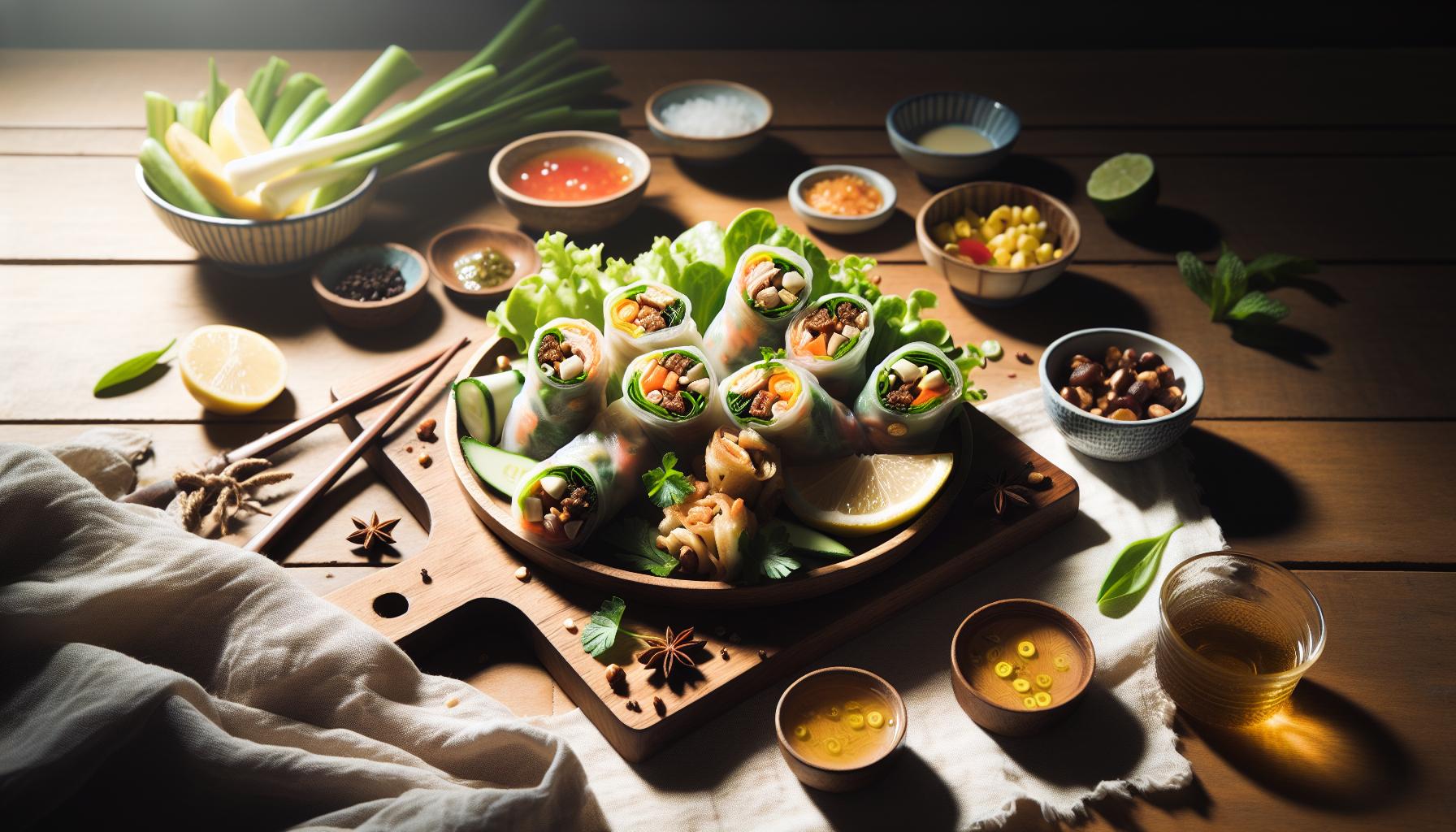
Delight in the endless possibilities when serving delicious homemade spring rolls, where every bite offers a satisfying crunch followed by flavorful fillings. Whether you’re entertaining guests or enjoying a family meal,the right pairings can elevate your spring roll experience. Imagine the warm, crispy rice paper wrapper releasing a burst of fresh herbs, crunchy vegetables, and savory proteins, perfectly complemented by an array of delightful accompaniments.
accompaniments to Enhance Your Spring Rolls
To create a balanced dining experience, consider serving a variety of side dishes that will enhance the flavors and textures of your homemade spring rolls. Here are some delightful options that are sure to please:
- Asian Slaw: A zesty mix of red cabbage, carrots, and snap peas dressed in a light sesame vinaigrette adds a crunchy contrast.
- Mango Salad: The sweet and tangy attributes of mango,combined with citrusy dressing,creates a refreshing balance to the savory rolls.
- Cold Sesame Noodles: Noodles tossed in a rich sesame sauce provide a nutty flavor and smooth texture that complements the crispiness of the rolls.
- Thai Peanut Sauce: This creamy, nutty sauce is perfect for dipping and brings a rich flavor that pairs well with various fillings.
Preparation Considerations
When planning your menu, ensure you account for different tastes and dietary preferences. Here are some essential preparation steps to create a memorable meal:
- choose your spring roll fillings: Consider options like shrimp, grilled chicken, tofu, or a mix of fresh vegetables.
- Prepare your side dishes: For example, make the Asian slaw by tossing shredded vegetables and sesame dressing shortly before serving to keep them crisp.
- Set up a dipping station: Arrange your peanut sauce and any other dips in small bowls to allow guests to customize their flavors.
- Garnish your plates: use fresh herbs like cilantro and mint to add a burst of color and aroma alongside your spring rolls.
Essential Equipment
Having the right kitchen tools will streamline your preparation process:
- Non-stick frying pan: Perfect for cooking your spring rolls evenly without sticking.
- Sharp knife and cutting board: Essential for chopping fresh vegetables and creating uniform pieces for your rolls.
- Measuring cups and spoons: Important for precise ingredient proportions, ensuring consistent flavors across your dishes.
Storage Tips
For optimal freshness, it’s best to consume your spring rolls shortly after making them. If you have leftovers, store them in an airtight container in the refrigerator for up to two days. To maintain quality,wrap individual rolls in damp paper towels to prevent drying out.
Variations to Try
Experimenting with different ingredients can lead to exciting new flavors:
- Spicy Avocado Rolls: Add sliced jalapeños and creamy avocado for a kick.
- Fruit-Infused Rolls: Try using pineapple or strawberries as filling for a sweet and savory combination.
- Lettuce-Wrapped Rolls: instead of rice paper, wrap fillings in large lettuce leaves for a refreshing, low-carb alternative.
- Quinoa and Veggie rolls: Add cooked quinoa and a variety of vegetables for a nutritious twist.
With these serving suggestions, your homemade spring rolls can become the star of any meal, offering a luscious harmony of flavors that will delight your guests and family alike.Enjoy the art of pairing!
Tips for Storing and Reheating Your Rice Paper creations
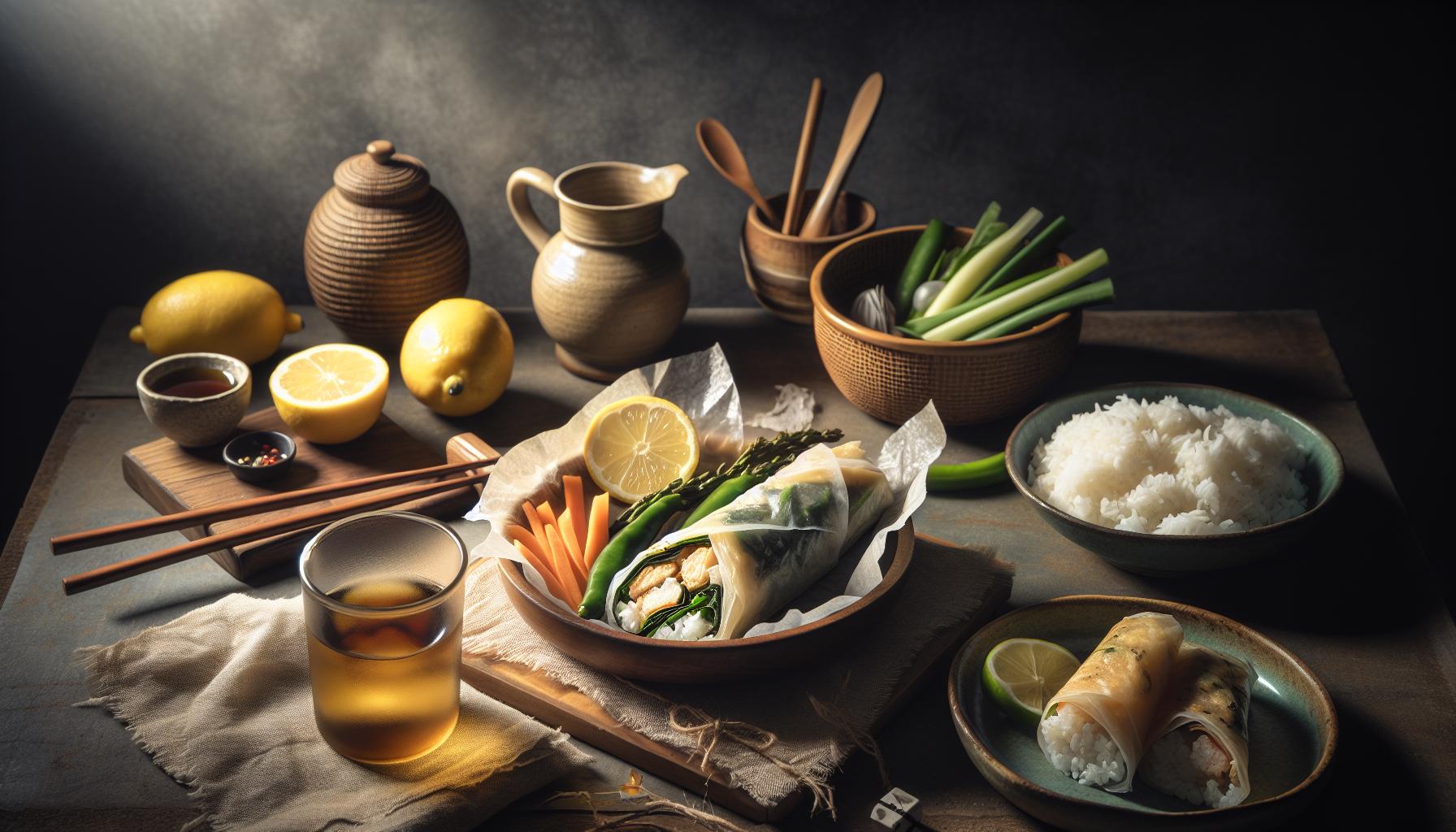
Storing and reheating your rice paper spring rolls can make the difference between a delightful snack and a soggy disappointment. to ensure that your homemade creations maintain their fresh taste and appealing texture, follow these essential storage and reheating tips.
Storing Your Spring Rolls
Properly storing your rice paper spring rolls is crucial to keeping their vibrant flavors and crisp textures intact. Here’s how you can achieve that:
- Cool Them Down: Before storing, allow your spring rolls to cool to room temperature. This helps prevent condensation, which can lead to sogginess.
- Wrap Individually: Wrap each roll gently in plastic wrap or place them between damp paper towels. This minimizes exposure to air and helps maintain moisture without making them wet.
- Use an Airtight Container: Place the individually wrapped rolls in an airtight container. This is essential for keeping out air and retaining freshness. Storing them in the fridge will usually keep them fresh for up to 2-3 days.
Reheating Techniques
When the time comes to enjoy your rice paper rolls again, reheating correctly is imperative to recapturing that delightful crunch.Here are effective methods to reheat your rolls while preserving their original charm:
- Oven Method: This is the preferred method for reheating, as it maintains the crispy texture.
– Preheat your oven to 350°F (175°C).
– Arrange the spring rolls on a baking sheet lined with parchment paper.
– Reheat for about 10-15 minutes, or until they’re heated through and crisped up.
- Pan-Fry Method: If you love a bit of extra crunch, pan-frying is a great option.
– Heat a small amount of oil in a skillet over medium heat.
– Place the spring rolls in the pan and cook for around 3-4 minutes on each side, until they are crispy and warm.
- Microwave Method: While convenient, this method can lead to less crispy spring rolls. If you choose this, use caution:
– Place the spring rolls on a microwave-safe plate and cover them with a damp paper towel.- Microwave for 30-60 seconds, checking periodically to ensure they don’t become rubbery.
Practical Cooking Tips
Variations to Consider
To keep your rice paper rolls exciting, consider these variations:
- Vegetable Medley: Substitute customary fillings with seasonal fresh veggies like bell peppers, cucumbers, and radishes for a crunchier texture.
- Protein Paté: Incorporate ground chicken, shrimp, or tofu marinated in soy sauce for an umami-packed twist.
- Herb Infusion: Experiment with different herbs like mint or basil for a fragrant flavor boost that dances on your palate.
- Spicy Kick: Add a layer of sriracha or chili paste to the filling for a tantalizing heat.
- fusion Style: Try fillings like kimchi or avocado to blend different culinary traditions for a unique handheld delight.
by following these easy storing and reheating guidelines, you can enhance your culinary experience with rice paper spring rolls, ensuring they remain a delightful treat every time you indulge. Whether served fresh or reheated, these versatile wraps are perfect for any occasion!
In Summary
as you embark on your journey to master rice paper wrappers for delightful spring rolls, remember that practice makes perfect. By following the steps outlined and experimenting with various fillings, you’ll develop a wonderful repertoire of fresh flavors that can impress any guest. Whether you prefer classic combinations or vibrant, unique fillings, there’s no wrong way to enjoy these versatile rolls. Don’t hesitate to explore different dipping sauces, like a zesty peanut sauce or a tangy hoisin blend, to elevate your experience even further.
Feel empowered to make substitutions to suit your dietary preferences—be it vegan, gluten-free, or packed with protein. If you run into any challenges, like getting the rice paper just right, rest assured that with a bit of patience and practice, you’ll achieve that crispy-on-the-outside, tender-on-the-inside texture that makes spring rolls irresistible.
So, gather your ingredients, invite a friend, and have fun creating these delicious morsels that are sure to become a staple in your kitchen. Happy cooking,and may your culinary adventures be as fresh and satisfying as the rolls you create!
Get our latest guides, news, and insights highlighted in your Google Search & AI Overviews.


