

drizzling a warm, velvety sauce over a steaming heap of mashed potatoes transforms any meal into a feast. This quick, family-amiable dish features butter, flour, and your choice of savory stock, ensuring a wholesome experience without the fuss. Easy to master and always lump-free, this gravy is a must-have for any dinner table. Let’s dive into this effortless recipe!
Ingredients You’ll Need for Perfect Gravy
Ingredients for a luxuriously Smooth Gravy
creating the perfect gravy requires a harmonious blend of essential ingredients that contribute to its rich, savory flavor and silky texture. To ensure your gravy is everything you desire—comforting,luscious,and lump-free—gather these staple items before you start cooking.
- Fat: 1/4 cup (using turkey drippings, chicken fat, or butter)
Substitution: Use olive oil or vegetable oil for a vegetarian option. - Flour: 1/4 cup
Substitution: For a gluten-free option, try cornstarch (see variation section below). - Broth or Stock: 2 cups (chicken, beef, or vegetable broth)
Substitution: Use homemade stock for more depth or low-sodium broth to control saltiness. - Seasonings: 1 teaspoon salt and 1/2 teaspoon black pepper
Substitution: Use herbs like thyme or rosemary for an aromatic twist. - soy Sauce (optional): 1 tablespoon
This adds color and umami; feel free to skip if you want a lighter flavor.
Each ingredient plays a crucial role: the fat creates a base for flavor and richness, while the flour acts as a thickening agent, ensuring your gravy has a gorgeous, silky consistency. The broth adds depth, and seasonings enhance the overall taste, bringing a layer of complexity to this sauce that is perfect over mashed potatoes or roasted meats.
Cooking Equipment You’ll Need
Before you embark on making your gravy, gather the following kitchen essentials:
- Whisk: Essential for consistent mixing; it prevents lumps and helps blend the fat and flour before adding liquid.
- Saucepan: A medium-sized pan is perfect for cooking your roux and incorporating the broth without splattering.
- Measuring Cups and Spoons: Precision in measurement ensures the perfect balance of flavors.
- Serving Ladle: For easy pouring and serving at your dinner table.
preparation Steps for a Lump-free Gravy
follow these simple steps, and you’ll have a remarkable gravy that is sure to impress:
- Start with the Fat: In your saucepan, add the 1/4 cup of fat (drippings or butter) over medium heat until melted.
- Create a Roux: Whisk in 1/4 cup of flour. Cook for about 2-3 minutes until it turns a golden brown, stirring continuously.
- Add the Broth: Gradually pour in 2 cups of broth while continuing to whisk vigorously to avoid lumps.
- Season to Taste: Stir in salt, pepper, and soy sauce (if using) adjusting levels according to your preference.
- Simmer and Thicken: Bring the mixture to a gentle simmer and cook for another 5-7 minutes until it thickens to your desired consistency.
Serving and Storage Tips
When it comes to serving,pour your silky gravy directly onto your favourite dishes,enhancing the flavors of roasted meats or veggies. If you have leftovers, allow the gravy to cool entirely, then store it in an airtight container in the fridge for up to 3 days. Reheat gently on the stovetop, whisking in a splash of broth if it thickens too much.
Variations to Elevate Your Gravy
To keep things exciting, consider these variations:
- Mushroom Gravy: Sauté some chopped mushrooms in the fat before adding the roux for a deep, earthy flavor.
- Herbed Gravy: Infuse your broth with fresh herbs like thyme or sage during simmering for a fragrant sauce.
- Creamy Variant: Stir in 1/2 cup of heavy cream at the end for a richer, creamier texture.
- Spicy Gravy: Add a pinch of cayenne pepper for a subtle kick to your gravy.
With these ingredients and steps, your journey to creating a deliciously smooth gravy is just a whisk away! Enjoy the warmth and comfort that this sauce brings to your meals.
Essential Kitchen Equipment for Hassle-Free Gravy Making
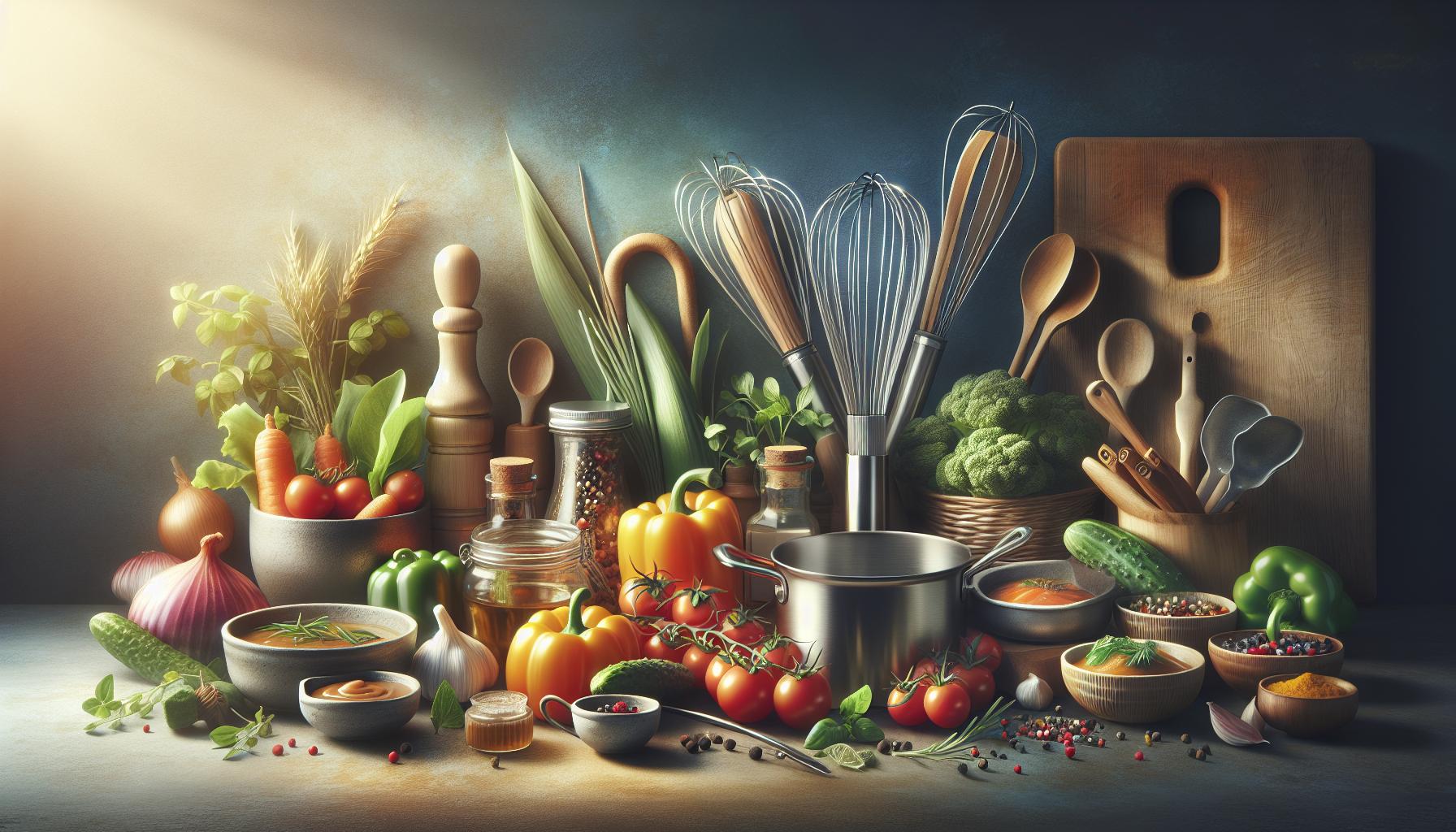
Achieving the perfect, silky gravy requires the right tools to ensure a smooth texture and rich flavor that elevates any dish. Investing in a few key pieces of kitchen equipment can transform your gravy-making experience from stressful to delightful. With these essentials on hand, you can confidently whip up a luscious sauce that’s guaranteed to impress your guests.
Must-Have Equipment
- Heavy-Bottomed Saucepan
A heavy-bottomed saucepan is crucial for even heat distribution, preventing your gravy from scorching. This type of pan allows for the proper reduction and thickening of your sauce, giving it that coveted velvety consistency.
- whisk
A sturdy whisk is your best friend when it comes to breaking up lumps and achieving a smooth gravy. Its flexible design allows you to incorporate ingredients thoroughly while cooking, ensuring a lump-free texture.
- Measuring Cups and Spoons
Precision in your ingredient measurements is key to crafting the perfect gravy.Having a set of measuring cups and spoons ensures that you maintain the right ratios of broth, flour, and any additional seasonings.
- Fine-Mesh Strainer
For a truly silky final dish, a fine-mesh strainer can be used to strain your gravy before serving. This helps eliminate any remaining lumps or bits of seasoning, resulting in an exceptionally smooth sauce.
- Heat-Resistant Spatula
A heat-resistant spatula is essential for stirring your gravy, allowing you to scrape the bottom of the pan to incorporate fond—the flavorful browned bits that give your gravy depth and richness.
Serving and storage Guidance
For optimal flavor and texture, serve your gravy immediately after preparing it, letting it cascade from a gravy boat or directly onto mashed potatoes or meat dishes. If you have leftovers, store your gravy in an airtight container in the refrigerator for up to three days. Reheat gently on the stove over low heat, whisking frequently to return it to its luscious consistency.
Variations to Enhance Your Gravy
- Herb-infused Gravy: Add chopped fresh herbs like rosemary or thyme during cooking to impart a fragrant, earthy flavor.
- Mushroom Gravy: Sauté finely chopped mushrooms before adding your broth for a meaty, umami-rich alternative.
- Creamy Gravy: Stir in heavy cream or sour cream at the end for a rich, decadent twist.
- spicy Gravy: Incorporate a dash of hot sauce or cayenne pepper to give your gravy a kick.
- Balsamic Glaze Gravy: Add a splash of balsamic vinegar to the mix for a tangy depth that pairs beautifully with roasted meats.
With the right tools and a few simple techniques,you can create a mouthwatering,rich gravy that enhances every meal. Embrace these essential items and enjoy the satisfaction of a perfect sauce that’s both a comforting classic and an impressive culinary feat.
Simple Preparation Method to Get Started
Main Ingredients
To create a silky, lump-free gravy that elevates your meals, having the right ingredients on hand is essential. Hear’s what you’ll need:
- 2 tablespoons of fat (butter or oil) (for a richer flavor,use unsalted butter)
- 2 tablespoons of all-purpose flour (can substitute with gluten-free flour for a gluten-free option)
- 1 cup of stock or broth (beef,chicken,or vegetable for varying flavors)
- Salt and pepper to taste
- Optional seasonings (onion powder,garlic powder,herbs)
Preparation
preparing this delectable gravy is straightforward and allows you to focus on achieving that perfect consistency.
- Start by heating your fat in a saucepan over medium heat. Allow it to melt completely, filling your kitchen with a buttery aroma.
- Whisk in the flour to form a paste, known as a roux. Cook this mixture for about 1-2 minutes until it’s lightly golden, releasing a nutty scent.
- Gradually add the stock, continuously whisking to prevent any lumps. The gravy will start to thicken beautifully as you incorporate the liquid.
- Season with salt and pepper to enhance the flavors.Taste and adjust the seasonings as needed, ensuring the gravy is perfectly savory.
- Allow the gravy to simmer for an additional 3-5 minutes,which will deepen its flavor and improve its texture.
Equipment
To achieve a flawless gravy, having the right tools is crucial. Here are the essentials:
- Saucepan: A non-stick or stainless-steel saucepan is ideal for even heating and easy whisking.
- Whisk: A sturdy whisk helps eliminate any lumps during the cooking process,ensuring a smooth consistency.
- Measuring cups and spoons: precise measurements are key to balancing the flavor and texture of your gravy.
Serving and Storage
This rich gravy can be served immediately over mashed potatoes,biscuits,or even roasted meats. If you have leftovers, store them in an airtight container in the refrigerator for up to three days. To reheat, gently warm on the stovetop, adding a splash of broth or water to loosen the texture as necessary.
Variations
To keep things exciting, try these flavorful alternatives to customize your gravy:
- Herbed Gravy: Add fresh herbs like thyme or rosemary for an aromatic lift.
- Mushroom Gravy: Sauté chopped mushrooms in the fat before adding the flour for a hearty twist.
- Spicy Gravy: Incorporate a dash of hot sauce or red pepper flakes for a kick.
- Creamy Gravy: Stir in a bit of heavy cream for an ultra-rich finish.
- Vegan Gravy: Substitute the butter with olive oil and use vegetable broth with nutritional yeast for a flavorful plant-based version.
Enjoy the process of making this easy, flavorful gravy that can transform any dish into a mouth-watering masterpiece!
Step-by-Step Cooking Instructions for Silky, Lump-Free Gravy
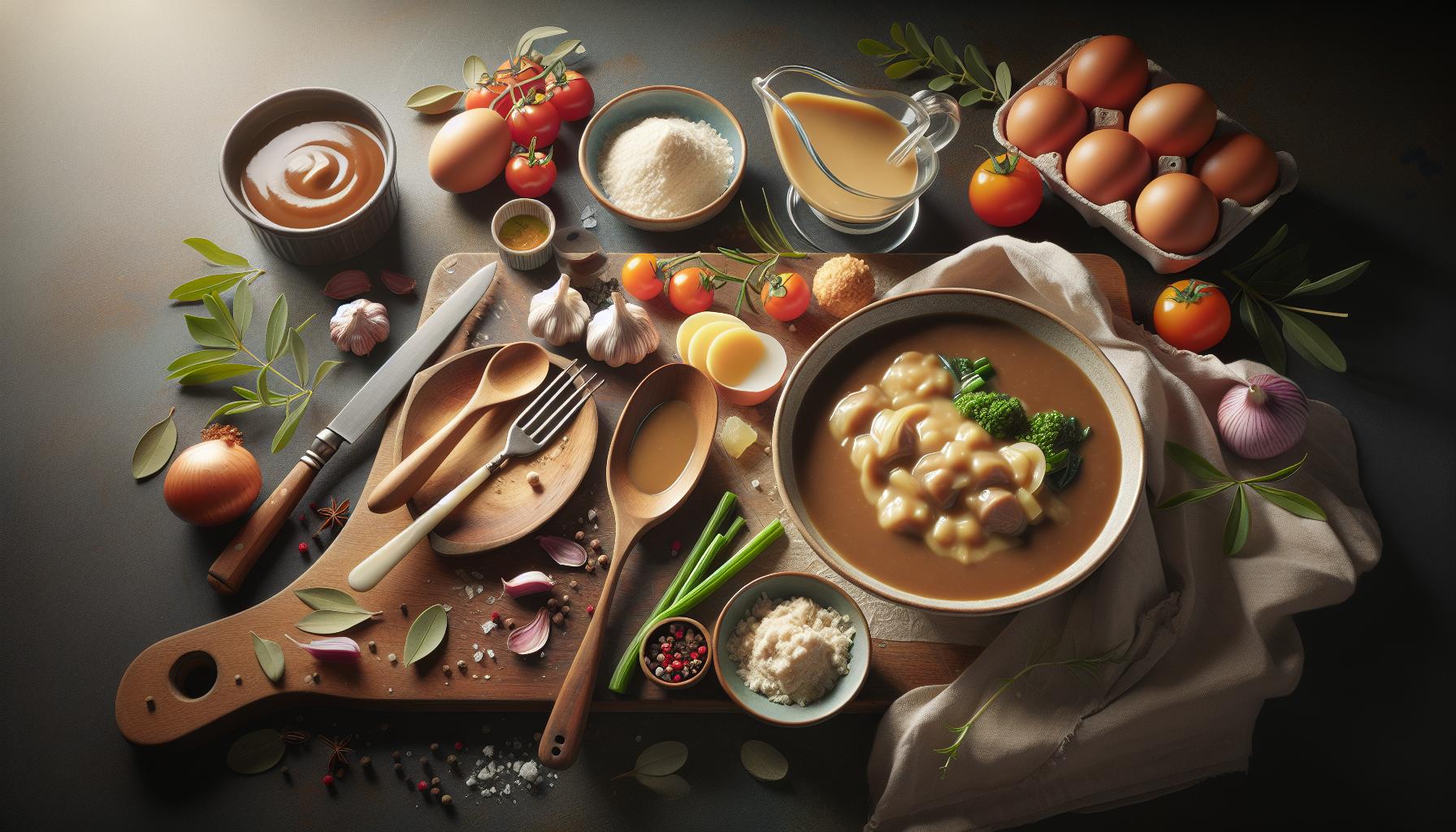
Creating a luscious, silky gravy that’s completely free of lumps might seem daunting, but it’s absolutely achievable with the right method. This recipe walks you through the process, ensuring that your gravy turns out smooth and packed with flavor every time. The aroma of richly brewed stock mingles with the buttery notes as you begin, setting the stage for a sauce that will elevate any meal.
Main Ingredients
- 4 cups broth or stock, preferably low-sodium (chicken, beef, or vegetable)
- 10 tablespoons butter (can substitute with olive oil for a lighter taste)
- ⅔ cup all-purpose flour (gluten-free flour can be used as a substitute)
- Salt and pepper, to taste
Cooking Equipment
- Whisk: Essential for achieving a lump-free gravy; it helps to blend the flour and fat smoothly.
- Saucepan: A heavy-bottomed saucepan is ideal to prevent scorching and ensure even heat distribution.
- Ladle: Perfect for serving and portioning your gravy without mess.
Preparation
- Melt the Butter: Start by melting the butter over medium heat in your saucepan. The moment it begins to bubble and foam, you’ll know it’s ready for the next step.
- Add Flour: Gradually whisk in the flour, stirring continuously to create a smooth paste known as a roux.Cook the roux for about 2-3 minutes, allowing it to achieve a light golden color, which adds depth of flavor.
- Incorporate Stock: Slowly pour in the broth or stock while whisking vigorously. This step is crucial for preventing lumps; keep whisking until the mixture is entirely smooth.
- Simmer: Bring the mixture to a gentle simmer, allowing it to thicken. Continue to whisk occasionally for about 5-7 minutes, which enhances the gravy’s flavor while ensuring it remains silky.
- Season and Serve: Once thickened,season with salt and pepper to taste. If desired, strain the gravy through a fine sieve for an ultra-smooth texture before serving.
Serving and Storage
This gravy can be served immediately over mashed potatoes, turkey, or biscuits, creating a comforting dish that warms the soul. If you have leftovers,place the gravy in an airtight container and refrigerate. It will keep well for up to four days. When reheating, add a splash of broth to restore its original creamy consistency.
Variations
- Herb-Infused Gravy: Add fresh herbs like thyme or rosemary during the simmering stage for an aromatic twist.
- Creamy Gravy: Stir in a half cup of heavy cream or sour cream just before serving for a richer, creamier texture.
- Spicy Gravy: Introduce a pinch of cayenne pepper or a splash of hot sauce for a fiery kick that livens up your gravy.
With these easy steps, you can create a mouthwatering, silky gravy that compliments any dish, transforming simple meals into savory delights. Enjoy the warmth and flavor that homemade gravy brings to your table!
Creative Serving Suggestions to Elevate Your Dishes

Transforming a simple gravy into a spectacular addition to your meal is all about presentation. the right serving technique not only enhances the visual appeal but also elevates the dining experience, making each bite more enjoyable. When serving your silky, lump-free gravy, consider the vessel you use and the garnishes that accompany it. Using unique serving dishes like a rustic wooden boat or an elegant porcelain gravy boat can set the tone for your meal. Remember, the key is to create a visual feast that invites your guests to indulge.
For a stunning presentation, pour the gravy over a bed of fluffy mashed potatoes, allowing it to cascade down the sides like a delicious waterfall. This not only creates a beautiful contrast of colors but also adds a comforting element to your dish. Another delightful idea is to serve your gravy in small ramekins alongside roasted vegetables, so each guest can customize their bite. Additionally, consider garnishing with fresh herbs like parsley or thyme for pops of color and fresh aromas that will tantalize the senses.
Main Ingredients
- Unsalted Butter: 4 tablespoons (substitute with olive oil for a dairy-free option)
- All-Purpose Flour: ¼ cup (can use gluten-free flour if needed)
- Chicken or Vegetable Broth: 2 cups (homemade for best flavor or low-sodium broth for health)
- Salt: to taste
- Black Pepper: to taste
- Optional Enhancements: A splash of cream or a spoonful of soy sauce adds depth
preparation
- Melt the Butter: In a saucepan over medium heat, melt the butter until it’s bubbling but not browned.
- Add Flour: Sprinkle in the flour, stirring continuously to form a smooth roux. Cook for about 2 minutes until it turns a light golden color.
- Whisk in Broth: Gradually whisk in the broth, ensuring there are no lumps. Bring to a gentle simmer.
- Season: Add salt and black pepper to taste. Allow the gravy to simmer for about 5-10 minutes until thickened to your preference.
Equipment
- Saucepan: Ideal for preparing the gravy, allowing you to control the heat and stir effectively.
- Whisk: Essential for achieving a lump-free consistency while incorporating the broth.
- Measuring Cups and Spoons: Accurate measurements are crucial for the perfect balance of flavors.
Serving and Storage
Serve your gravy hot over your favorite dishes immediately for the best flavor.If you have leftovers, store them in an airtight container in the refrigerator for up to three days. Reheat on low heat, adding a splash of broth if it thickens too much.
Variations
- Mushroom Gravy: Sauté sliced mushrooms with the butter before adding the flour for an earthy addition.
- Creamy Herb Gravy: Stir in heavy cream and fresh herbs at the end for a richer sauce.
- Spicy Gravy: Add a dash of cayenne pepper or chipotle for a kick of heat.
- Wine-Infused Gravy: Incorporate a splash of red or white wine during the simmering stage for depth.
Creative serving suggestions can turn your gravy from a simple sauce into a show-stopping companion for your meals, inviting all to enjoy the rich flavors and delightful textures.
Practical Storage and Reheating Tips for Leftover gravy

When it comes to savoring the rich, complementary flavors of a beautifully made gravy long after your initial meal, proper storage and reheating are key to maintaining its silky smooth texture and enticing aroma. Whether you’re drizzling it over tender meats or lacing it through comforting mashed potatoes, following these practical tips will ensure your gravy retains its luxurious appeal every time you enjoy it again.
Storage Tips for Leftover Gravy
To keep your gravy in pristine condition,it’s important to store it correctly. Allow it to cool to room temperature before transferring it to an airtight container. This prevents bacteria growth and preserves its quality.
For optimal freshness:
- Refrigeration: Store gravy in the fridge for up to 3-4 days. Make sure the container is sealed tightly to avoid any contamination from other foods.
- Freezing: For longer storage, freeze gravy for up to 4-6 months. Pour it into freezer-safe bags or containers, leaving space for expansion as it freezes.
Reheating Techniques
Reheating gravy should be done carefully to ensure it doesn’t lose its texture or flavor. Here are two reliable methods:
- Stovetop Reheating:
– Transfer the desired amount of gravy into a saucepan.
– Heat over low to medium heat, stirring occasionally.
– Keep the gravy at a gentle simmer and allow it to warm for about 10-15 minutes to achieve a perfect consistency. If it’s too thick, whisk in a little water or stock to loosen it.
- Microwave Reheating:
– Place gravy in a microwave-safe bowl and cover it loosely with a microwave-safe lid or wrap.
– Heat in 30-second intervals,stirring in between to promote even warming.
– Be cautious of overheating,as this can cause the gravy to become too thick or dry.
Enhancing Your Gravy
Consider spicing up your leftover gravy with a few simple additions:
- Herbs: A sprinkle of freshly chopped thyme or rosemary can reinvigorate tired leftovers.
- Cream: Stir in a tablespoon of heavy cream for a luxurious richness.
- Caramelized Onions: Add sautéed onions for depth and sweetness.
- Mustard: A touch of Dijon can give the gravy a nice tang.
- Red Wine: A splash can add complexity and a beautiful depth of flavor.
By adhering to these simple yet effective storage and reheating techniques, you’ll be able to enjoy your aromatic, silky gravy just as you did on the day it was made, enhancing every dish it graces with its luscious texture and rich taste. Don’t let your delightful creation go to waste; treat it with care, and it will continue to deliver moments of culinary joy, meal after meal.
Nutritional Information to Fit Your Dietary Needs
When crafting a silky, lump-free gravy, it’s not just about exquisite taste; it’s also crucial to consider how this versatile sauce fits within your dietary preferences. With a rich, savory profile that perfectly complements meats, mashed potatoes, and even simple vegetables, our gravy recipe allows for customizable adjustments that can cater to various nutritional guidelines. Whether you’re watching your calorie intake or looking to avoid certain ingredients, this gravy can be adapted to align with your dietary needs.
Main Ingredients
To create a delightful gravy, you’ll need the following core ingredients, each chosen for their ability to deliver vibrant flavor and satisfying texture:
- Butter: 1/4 cup (for a rich base; or use olive oil for a lighter option)
- All-purpose flour: 1/4 cup (for thickening; can be substituted with gluten-free flour)
- Chicken or vegetable stock: 2 cups (for deep flavor; homemade stock or low-sodium versions can be used)
- Salt and pepper: to taste (season to your preference; try Himalayan salt for a unique twist)
- dried herbs (optional): 1 teaspoon (like thyme or rosemary; fresh herbs add a fragrant touch)
Preparation and Cooking
Follow these straightforward steps to achieve the perfect gravy in no time:
- Heat the butter: In a medium saucepan, melt the butter over medium heat until bubbly and slightly browned—this enhances the nutty flavor.
- Add the flour: Whisk in the flour, stirring constantly for about 2-3 minutes until it turns a golden brown color, forming a roux.
- Pour in the stock: Gradually whisk in the stock, ensuring there are no lumps. Continue stirring until the mixture thickens, about 5-7 minutes.
- Season the gravy: Add salt, pepper, and any desired herbs, continuing to stir until fully incorporated.
- serve: Once thickened to your liking,remove from heat and serve hot over your favorite dishes.
Equipment
To whip up this gravy, you’ll need a few essential tools:
- medium saucepan: Ideal for heating and thickening the gravy.
- Whisk: Essential for combining ingredients smoothly and preventing lumps.
- Measuring cups and spoons: To ensure precision in ingredient quantities.
Serving and Storage
This gravy is best enjoyed fresh and hot. Though, if you have leftovers, they can be stored in an airtight container in the refrigerator for up to 3 days. When reheating,add a splash of water or stock to restore its creamy consistency.
Variations
- Mushroom gravy: Sauté chopped mushrooms in the butter before adding flour for an earthy twist.
- Onion gravy: incorporate finely chopped onions to the roux for a sweeter, richer flavor.
- Spiced gravy: Experiment with spices like garlic powder or smoked paprika for an added depth of flavor.
- vegan option: Replace butter with vegan margarine and use vegetable stock for a plant-based version without sacrificing flavor.
With its luscious aroma and velvety texture, this gravy is sure to elevate your meals while being adaptable to meet your nutritional desires. Enjoy the comforting warmth and versatility of this dish any day of the week!
Flavorful Recipe Variations to Customize Your Gravy

Elevate Your Gravy with Flavorful Variations
Gravy is not just a sauce; it is an chance to infuse each bite with layers of flavor. Diving into variations that transform your silky, lump-free masterpiece into a signature dish can elevate everyday meals into comforting feasts. Whether drizzled over creamy mashed potatoes, roasted meats, or crusty bread, these creative tweaks will ensure your gravy stands out and delights the palate.
Main Ingredients
To personalize your gravy, you may want to adjust the foundational ingredients. Here’s a list of enhancements you might consider:
- Unsalted Butter: 4 tablespoons for a rich base. Substitute with olive oil for a lighter flavor.
- All-Purpose Flour: 1/2 cup for thickening. Use cornstarch (1/4 cup) for a gluten-free alternative.
- Broth: 2 cups (chicken,beef,or vegetable) for depth. Homemade stock adds exceptional flavor.
- Whole Milk or Cream: 1 cup for creaminess. Substitute with almond or coconut milk for a dairy-free version.
preparation and Cooking
To ensure your gravy is both smooth and flavorful, follow these clear steps:
- Heat the Butter: In a medium saucepan over medium heat, melt the butter until it’s bubbly and fragrant.
- Stir in the Flour: Whisk in the flour continuously for about 2 minutes to form a roux, adjusting heat to avoid browning.
- Add the Broth Gradually: Slowly pour in the broth while whisking to eliminate lumps. Cook for 5-7 minutes until thickened.
- Mix in the Milk: Stir in the milk for creaminess, and simmer for an additional 3 minutes.
- Season: Taste and adjust seasoning with salt and pepper as desired before serving.
Equipment
- Medium Saucepan: Essential for making the gravy; it distributes heat evenly.
- Whisk: Vital for achieving a lump-free texture by continuously stirring the mixture.
- Measuring Cups and spoons: Ensures accuracy in your ingredient quantities for consistent results.
Serving and Storage Tips
Gravy is best served immediately for that fresh, savory flavor, but it can be stored for later use.Allow it to cool completely before pouring into an airtight container.Refrigerate for up to 4 days or freeze for up to 3 months.Reheat gently on the stovetop, adding a splash of broth or milk to restore its silky texture.
Flavorful Variations
- Sausage Gravy: Crumble cooked sausage into your roux for a rich and hearty breakfast option.
- Mushroom Gravy: Sauté sliced mushrooms in the butter until golden before adding flour for an earthy, umami-rich variation.
- Garlic and Herb Gravy: Add minced garlic and your favorite herbs, like thyme or rosemary, during the roux stage for a fragrant finish.
- Spicy Gravy: Incorporate diced jalapeños or a dash of cayenne pepper for a zesty kick that pairs perfectly with Southern dishes.
- Red Wine Gravy: Replace half of the broth with red wine to create a robust flavor, ideal for steak or roast beef dishes.
By experimenting with these variations, your gravy can become a versatile accompaniment that tantalizes the taste buds and complements any meal. Each option offers a unique taste experience, ensuring that every serving is exciting and delicious.
In Retrospect
As you explore the art of making gravy,remember that achieving that perfect,silky texture is entirely within your reach. Start with the fundamentals: a well-balanced roux of equal parts fat and flour, cooked to a golden hue for maximum flavor. Use hot broth or stock to ensure a smooth consistency, and don’t shy away from experimenting with different flavors based on your meal—whether it’s savory turkey drippings or a rich vegetable broth.
Should you encounter bumps along the way, rest assured that lumps can be easily whisked away or strained out, making room for that velvety finish.With these tips in hand, you’ll find yourself whipping up delicious, lump-free gravy anytime you need it. We encourage you to dive into the world of sauces, explore variations that suit your dietary preferences, and bring a delightful depth to your favorite dishes. So why not gather your ingredients and get started? Your perfect gravy awaits!
Get our latest guides, news, and insights highlighted in your Google Search & AI Overviews.


